Stone Countertop Care in Jackson, MS: Daily Cleaning Habits
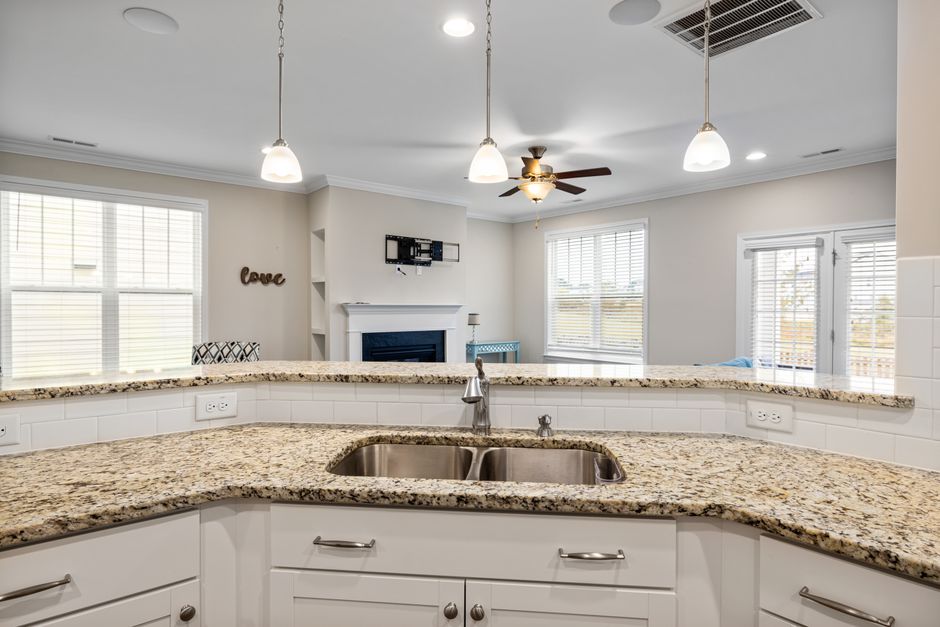
Warm water, a few drops of mild dish soap and a soft microfiber cloth are all a stone countertop needs each day. Wipe, rinse with a clean damp cloth, then dry with a third cloth. The rest of good care is knowing which stone you own and which habits to avoid, and Jackson's heat, humidity and shifting soil add a few local wrinkles.
Start by Identifying Your Stone
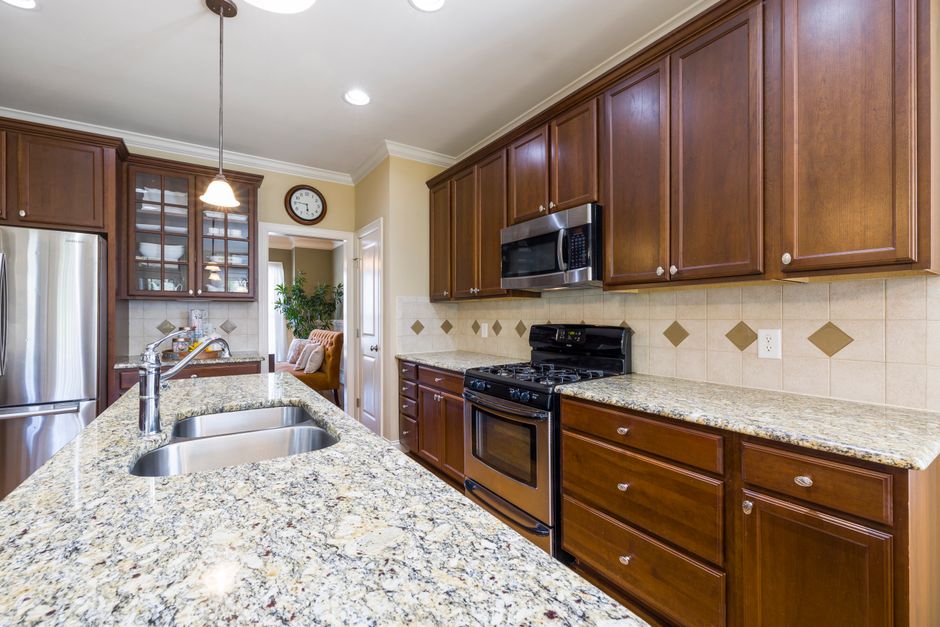
Daily care depends on what the slab is made of, so settle that first.
- Marble, limestone, travertine and onyx are calcium based. Acid reacts with them.
- Granite and quartzite are mostly silicate minerals and resist acid far better.
- Engineered stone is crushed quartz bound with resin. Brands such as Cambria fall in this group. It is not a natural stone, and it follows different rules from both groups above.
If the paperwork from your installer is gone, ask the fabricator who built the counter. A wrong guess is how a lemon-scented spray ends up on a marble island.
The Everyday Wipe-Down

Use the same short routine after cooking and at the end of the day:
- Wipe with warm water and a few drops of mild dish soap on a microfiber cloth.
- Go over the surface with a clean, damp cloth to rinse.
- Dry with a soft, dry cloth.
The rinse matters. Soap left behind builds a dull film over time, and a counter that looks cloudy is often just coated. Drying matters too, especially around the sink. Standing water leaves mineral spots on dark polished granite, and on porous stone it can soak into the edges and leave a dark ring.
What to Keep Off the Surface
Acids on calcium-based stone
Vinegar, lemon juice, citrus cleaners and tomato sauce should stay off marble, limestone and travertine. Acid dissolves the calcite itself and leaves a dull, rough spot called an etch. Sealer does not prevent this. Sealer only slows absorption, and an etch is damage to the surface rather than a stain beneath it.
Harsh chemicals
Skip bleach, ammonia, oven cleaner and strong degreasers for routine wiping. Repeated use can wear down the sealer on natural stone. On engineered stone, harsh alkaline or solvent cleaners can dull or discolor the resin.
Abrasives
Scouring powders, scouring pads and melamine foam sponges act as fine abrasives. On polished stone they can slowly haze the finish, and on a honed finish they can burnish it unevenly. A soft cloth does the job.
Disinfecting Without Bleach
For sealed granite, quartzite or engineered stone, wipe with isopropyl rubbing alcohol diluted with water, let it sit briefly, then rinse. Many fabricators suggest this in place of household bleach products. It is a sensible step after handling raw meat on the counter.
During a boil water notice in Jackson, follow health department guidance for surfaces that touch food. Use boiled and cooled water or bottled water for the final wipe of prep areas, and keep using the same stone-safe products as usual.
Blot, Do Not Smear
Oil, red wine, coffee and turmeric are the likeliest culprits for stains, particularly on unsealed or worn spots. Blot a spill right away rather than dragging it across the stone, which spreads it into more pores. No stone countertop is completely stain proof, so speed is your best protection.
Etch or stain?
An etch is a dull or lighter mark you can feel or see in raking light. A stain is a darker or colored mark below the surface. They are fixed differently, and treating one like the other wastes effort.
Lifting a stain
For an oil stain in natural stone, mix baking soda and water into a paste, cover it with plastic and leave it to draw the oil out over a day or more. For an organic stain such as coffee on light stone, use hydrogen peroxide in the paste. Test any poultice in a hidden spot first.
Sealing: Test First, Do Not Follow a Calendar
How often stone needs sealing varies widely from slab to slab, so use the water drop test instead of a set schedule. Leave a small puddle in a high-use spot for about 15 minutes. If the stone darkens, it is time to seal. If the water beads or leaves no mark, wait.
When you do seal:
- Use a penetrating sealer made for stone.
- Follow the label dwell time.
- Buff off every bit of excess. Leftover sealer dries into a sticky or hazy film, one of the most common DIY problems.
- More coats are not automatically better.
Jackson summers are long, hot and very humid, and damp air can slow curing. Allow the full cure time on the label before setting items down or wiping with water, and lean toward the longer end of the range.
Engineered stone does not need sealing. A sealer does nothing useful there and can leave residue.
Protect the Counter From Daily Wear
Heat
Use trivets under hot pans, slow cookers, air fryers and countertop ovens. Resin in engineered stone can scorch or yellow, so it is not heatproof. Natural stone can crack from sudden heat, especially near a seam or sink cutout.
Cutting and scratching
Use a cutting board. Granite dulls knives quickly, and marble and engineered stone can be scratched by knife edges or by grit dragged under appliances. Lift small appliances rather than sliding them.
Rings
Coasters belong under wine, juice, soda and coffee. A small tray under oil bottles, soap dispensers and fruit bowls prevents the rings that show most on light stone.
Weight
Never sit, stand or kneel on a stone counter to reach upper cabinets. Overhangs and the narrow strips in front of and behind a sink are the weakest points and crack under concentrated weight. This applies to a kitchen island overhang as well.
Check the Caulk a Few Times a Year
Look at the caulk line along the backsplash and around an undermount sink every few months. In a humid climate like Jackson's, mildew grows in worn caulk, and once the seal breaks, water can get under the sink rim. Replace failed caulk with a mildew-resistant silicone.
When a Crack Might Be the House, Not the Counter
Much of the Jackson metro sits on expansive clay soil that shrinks and swells with wet and dry seasons. That movement can shift foundations and floors, especially in older pier and beam homes. If a seam opens, a new hairline crack appears or a slab starts to rock, look at the house structure as well as the counter. Cleaning will not fix either one.
Chips Belong With a Fabricator
Do not sand, grind or cut engineered stone or granite yourself to fix a chip. The dust contains crystalline silica, which comes from silicon dioxide and causes silicosis when inhaled. Chip and crack repair belongs with a fabricator who uses wet cutting and dust control.
If You Have a Wood Island Too
A butcher block island beside stone counters needs its own care. Do not use stone cleaners or stone sealers on it. Clean the wood with mild soap and oil it with food grade mineral oil.
A Simple Weekly Rhythm
- Daily: wipe, rinse, dry. Blot spills as they happen.
- Weekly: wipe around the sink edge and backsplash, and clear anything that sits in one spot, such as a fruit bowl.
- Every few months: inspect the caulk and run the water drop test on natural stone.
- As needed: poultice a stain, and call a fabricator for chips, cracks or seams that move.
Gentle products, quick drying and a little attention to humidity will keep a stone countertop in Jackson looking much as it did on install day.